


Autor: Aleksandra Waclawska
-
Dlaczego potrafimy pokłócić się o zmywarkę, a tak naprawdę płaczemy za bliskością?
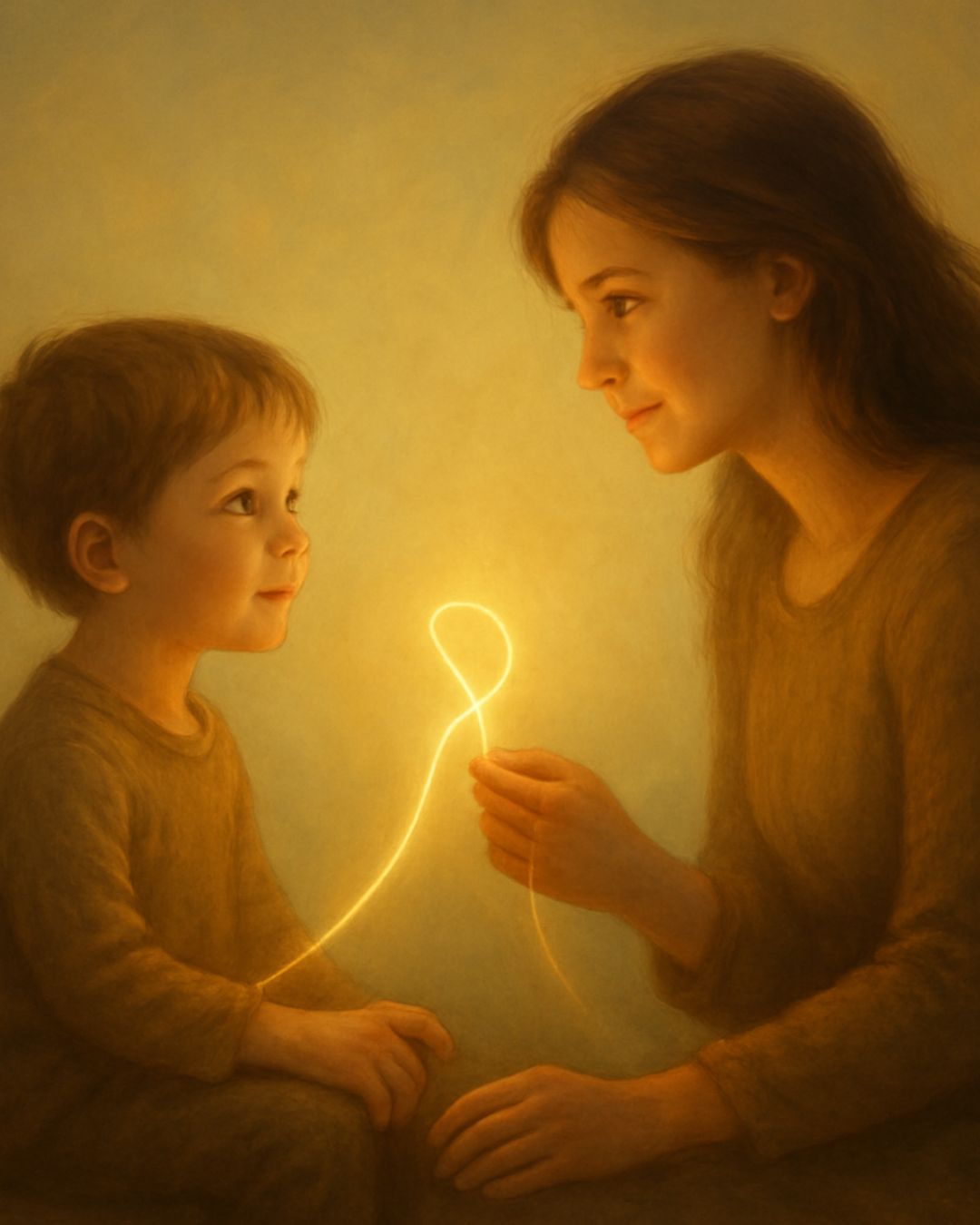
We Carry Our Family Home Into the World We leave our family homes and step into the world, but we carry our home with us into that world. In practice, this means that what we did not receive emotionally at home follows us — often for our entire lives. Unmet childhood needs, such as the…
-
Złość jest miłością

A Family Program Written in the Body I needed to save half-dead people around me since childhood. I needed to wake them up to life, because even if they were physically there, they weren’t really there. And I absorbed that program — a family program: I have to be scared.This belief: I have to be…
-
The Child Behind the High Performer

The High Performer Built in Childhood Discover how childhood emotional roles shape high-performing adults — and why success can hide emotional repression. When One Person Carries Everything Problem solving, crisis management, PR, and executive duties — all in one.No company would ever demand this from a single department. It would be considered absurd, disrespectful, and…
-
Z czym walczysz?

I was a fighter all my life — fighting for life itself, fighting every corner of myself: my true vulnerability, my anger, my femininity, my sexuality, my drive and passions. At times, I even fought others, just to receive breadcrumbs of love, for a fake sense of safety. Survival and safety were my running programs.…
-
Wejście w sam środek burzy

Może uwierzyłeś, że trzymanie wszystkiego w ryzach, ciągłe forsowanie się czy prokrastynacja to po prostu część ciebie – twój domyślny tryb działania, jakby było to zapisane w twojej naturze. Ale tak nie jest.
-
Lęk - "stacja bazowa"

W KI mówimy, że strach jest naszą „stacją bazową”. To prawda — ale większość z nas nie zdaje sobie z tego sprawy, dopóki nie zacznie pracować z represją emocjonalną. Programy typu: „Muszę się bać, aby czuć lub wyrażać złość, smutek, a nawet sam strach” są głęboko zakorzenione w ciele, uformowane nieświadomie w dzieciństwie, kiedy nauczyliśmy się wypierać te emocje...
-
Złość - drugorzędna emocja?

Często słyszę od coachów, nauczycieli duchowych, a nawet terapeutów, że złość to „tylko emocja powierzchowna” i że pod złością zawsze kryje się zranienie lub żal – te „prawdziwe” emocje. Niektórzy twierdzą, że złości należy unikać albo ją omijać, bo jest szkodliwa, podczas gdy zranienie jest bardziej autentyczne. Ale czy to prawda?